Kerby Anderson revisits Al Gore’s claims of environmental alarmism in the 20-year-old film An Inconvenient Truth.
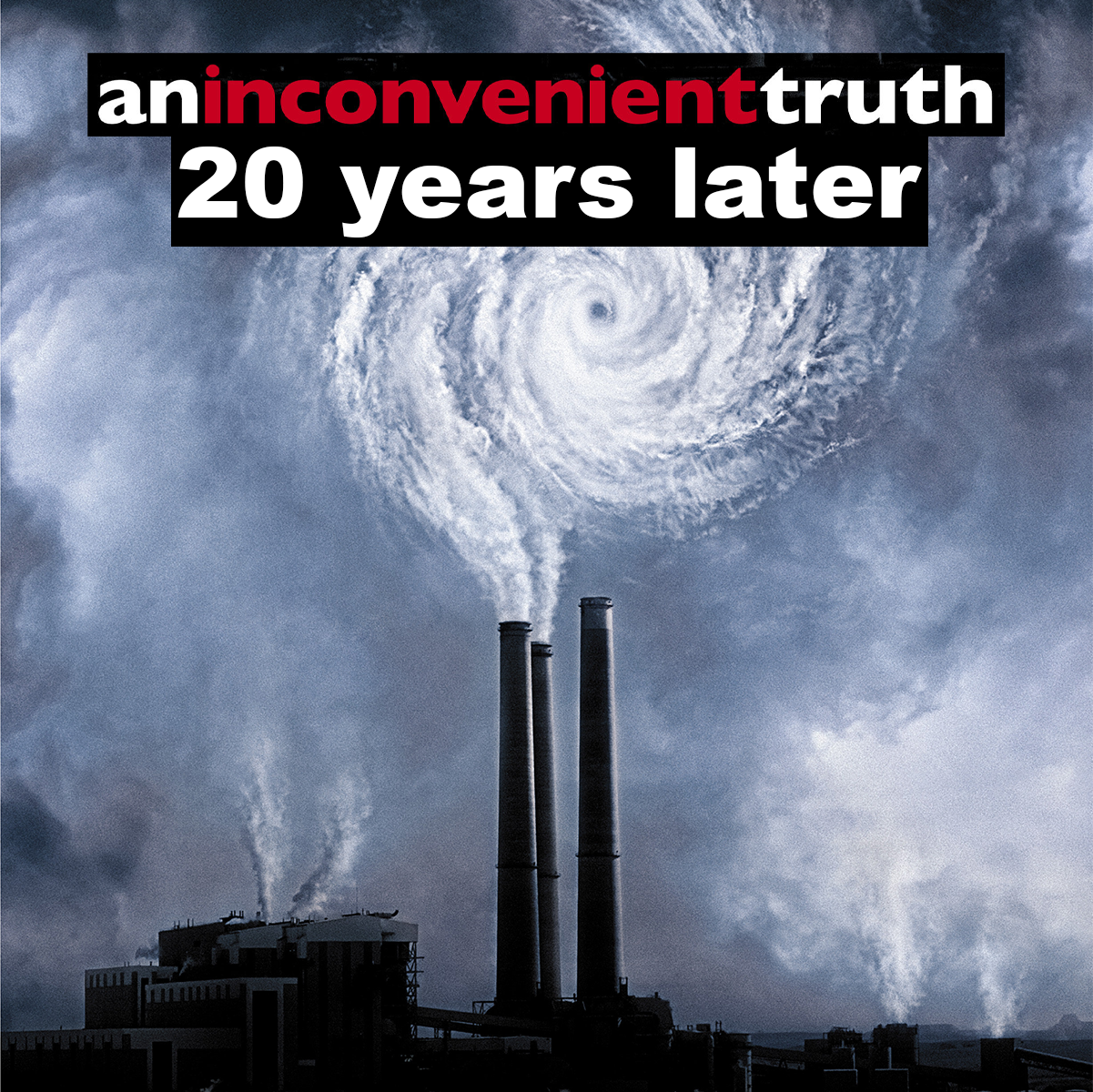
Next month is the 20th anniversary of Al Gore’s film, An Inconvenient Truth, which hit theaters in May 2006. Bjorn Lomborg reminds us that “the film, with its dramatic visuals and dire warnings, transformed the issue of climate change from a niche ecological concern into a front-page crisis.”
The film’s predictions about escalating catastrophes did not materialize, and its policy prescriptions failed. He also reminds us that approximately $16 trillion has been spent in pursuit of its vision, and yet it has delivered few benefits.
The film painted a bleak picture of the future with climate change driving ever-worsening disasters. For example, the film warned of polar bears vanishing, using computer-generated images of them drowning because of melting ice. But polar bear populations have doubled. The film predicted a significant increase in hurricanes. Global data from satellites have shown a slight decline.
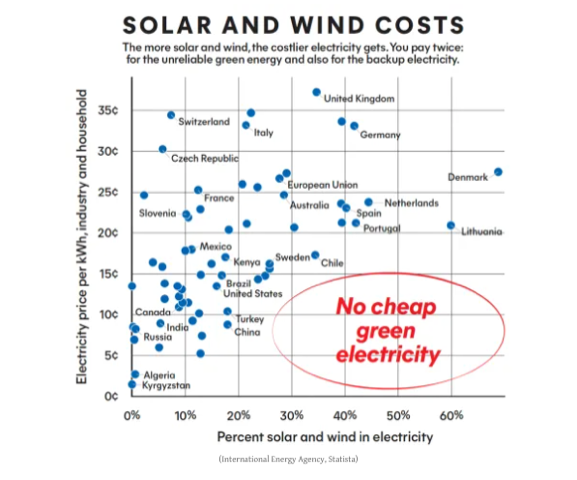
The proposed policies cost trillions and had little impact. We were told that wind and solar were the cheap solutions to climate change. All we had to do was swiftly implement these technologies to save the planet.
Instead, nations have found that as they ramp up their share of such renewables, electricity prices soar. As his chart shows, there is no cheap green electricity.
Perhaps the worse fallout from the film has been climate hysteria that encourages activists to glue themselves to roads and to vandalize paintings. Bjorn Lomborg believes climate change is a challenge, but not a catastrophe. Twenty years later, the biggest catastrophe is the film.
This post was first published at pointofview.net/viewpoints/inconvenient-truth-2-0/ on April 17, 2026.